![]() |
![]() |
|
|
|
This page has been created to provide descriptions of many of the different varieties of berries that we offer. Some of these varieties are only available during the bareroot season(typically from November - February).
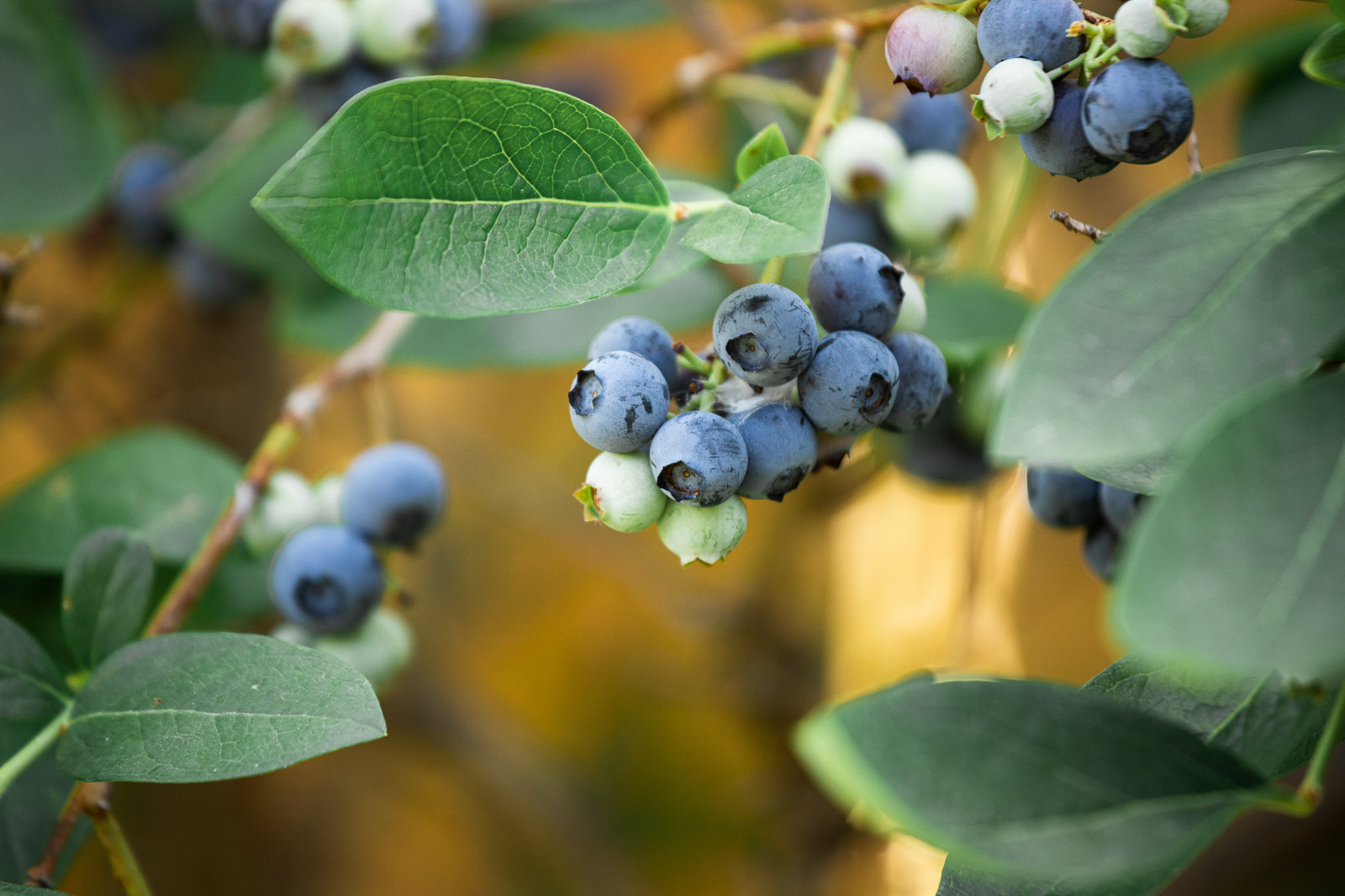
Blueberries Berkeley Introduced in 1949. Highbush; midseason. Large, open loose clusters of large, firm, powder blue fruit. No cracking. Berkeley has a mild pleasing flavor with high dessert quality. Also a good variety for freezing. Vigorous and productive spreading bush with heavy yellow canes. Not recommended for machine picking due to the brittle canes and spreading habit. Berkeley is the most popular variety of the home garden. Bluecrop Introduced in 1952. Highbush; midseason. Standards of excellence. Bluecrop is a leading commercial variety. Medium to large, open clusters of large, firm, crack resistant, light blue fruit. High quality fruit with good subacid flavor. Bluecrop is good for fresh eating, preserves, baking and freezing. Vigorous, upright growth, will reach 4-6 feet at maturity. Slender light red canes. Tends to overbear unless properly pruned. Bluecrop will grow well in most areas. Blueray Introduced from the New Jersey Agricultural Experiment Station in 1955. Highbush; early midseason. This variety is an old favorite. Small, tight clusters of large, medium blue fruit. Soft, firm skin of Blueray resist cracking. Excellent quality berries with a sweet, slightly tart, aromatic flavor. Vigorous and very productive, this bush will grow 4-6 feet tall at maturity. Bright red wood in the winter. Tight clusters may discourage machine picking. Chandler Mid to late season. Bigger is better when it comes to Chandler. With fruit the size of cherries and surprisingly delicious flavor, Chandler is clearly the worlds largest blueberry. Another great feature that will provide your customers a bounty of fresh picked fruit for over six weeks is Chandlers long ripening season! The bush is vigorous with large, dark green foliage and a slightly spreading habit to 5-6 feet. Zones 4-7. Darrow Late. Darrow boast the largest berries of all blueberry cultivars with some fruit actually reaching half-dollar size! The fruit is slightly flat, light blue, with a delightful tart flavor. The bush is quite vigorous, reaching 5-6 feet at maturity. Darrow does not produce as heavily in the colder zones as it does in milder areas but the "blue ribbon" sized berries are worth the reduced yields. Zones 5-7. Duke Highbush; early season. Medium to large light blue berries. Mildly tart flavor. The Duke berry is very firm and retains its fresh quality longer than most other varietries. Blooms late but ripens early, protecting blossoms from late frosts. Heavy, consistent producer. Upright growth but branches will droop to the ground when laden with fruit. Yellow-orange foliage in the fall. Hardy in USDA zones 4-7 Ivanhoe Introduced from North Carolina Agricultural Experiment Station in 1952. Highbush; midseason. Medium size, loose clusters of large, medium blue, firm and crisp fruit. Fruit is resistant to cracking. Very good, highly aromatic, sweet-tart flavor. High dessert quality. Vigorous, productive, erect bush. Trailing Blackberries Black Butte A newly named Cultivar from the Oregon State/USDA-ARS program. This variety has a very large, good flavored fruit but is not a replacement for Marion. It will probably be best suited for home garden and local fresh market. This variety probably requires chilling (not good for southern and central valley California) and is not winter hardy. Thornless Boysen Developed in California. Very large, almost seedless, sweet, juicy, full-bodied flavor. Good for fresh eating, freezing, jams, preserves, pastries, juice, syrup, and wine. To soft for shipping. Ripens during May and June. Thornless forms of all blackberries should not be cultivated deeply as damaged feeder roots will send up an occasional sticky sucker that has to be removed. Requires winter protection below o degrees F., hardy in zones 5-8. Boysenberry The Boysen originated in California and introduced in 1923. Very large, non-shiny, dark maroon berries. Soft, very juicy flesh. The Boysen has a distinctive, rich, tangy flavor and very aromatic. Excellent for eating fresh, juice, freezing, canning, pastries, and preserves. Ripens about July 1, and are among the largest of the small fruits. Vigorous, trailing vines. Boysenberries are hardy to approximately -10 degrees F. without protection. Hardy in zones 5-9. Thornless Chester Thornless variety. Large, sweet, high quality berries with good flavor. Excellent for fresh eating, jams, jellies, and pies. Flowers same time as the Hull Blackberry, but ripen about 10 days later. The Chester is most resistant to Cane Blight caused by Botryosphaeria Dothidea. Performs well in the deep South. Will not soften or lose color on hot, sunny days. Ripens in August. Hardy in Zones 5-7 but could be worth a try in zones 8-9. Thornless Loganberry Originating in California, the Logan is thought to be a natural cross between a California native blackberry and a red raspberry. The berries are long, large, dark red, acid, and highly flavored. The Logan is often used for pies, juice and wine. Not as widely grown commercially as it once was. There is high demand for it in the home garden due to its desirable flavor. Thornless canes; average yields. Hardiness is similar to Boysen. Lockness Thornless. Patented variety from the National Seed Development Organization in Scotland. Lockness should become one of the very best all time thornless blackberries for the home garden. Unlike many other types of blackberries, Lockness does not produce thorny canes from root system . Lockness is truly thornless. It is extremely productive. Lockness has similar genealogy to Black Satin, Hull, and Chester, but Lockness is a much better tasting berry and has real gourmet quality. Canadas top small fruit specialist has tested Lockness at British Columbia Abbotsford Fruit Testing Station and gives it the highest rating for a berry of this type. Zone 5-8 Olallie Developed in Oregon, But produces extremely well in California where the lack of day length and cold limit the productivity of some blackberries. Large, shiny, firm black berries. Sweet with some wild blackberry flavor. Vigorous and productive trailing thorny canes. Ripens in July. Good for fresh eating, jams and freezing. Siskiyou Tested as orus 830-4, selected from the cross of ORUS 2027 (Ollalie x ORUS 1367) x ORUS 1826 (ORUS 1122 x Boysen) Siskiyou is outstanding in its vigor, disease resistance and winter tolerance. Canes are more thorny than Marion but less than Kotata. Fruits are very large, firm and excellent flavored, produced early in the season before Kotata and with Black Butte. Yields have been similar to Kotata, less than Marion and greater than Black Butte. Tayberry Introduced by Scottish Horticultural Research Institute. Named after the River Tay in Scotland. Tayberry was bred from a cross between the blackberry Aurora, a high quality variety bred in Oregon, USA and an improved Tetraploid Raspberry from the breeding program at the Scottish Corp. Research Institute. Tayberry is ready for picking from early July through mid August. Long, moderately vigorous canes. Berries are large, long conical shape and a reddish purple color with excellent, slightly aromatic flavor. Excellent quality for freezing, canning, jams, and jellies. Tayberry has shown considerable promise for the fresh fruit and processing markets. Black Raspberries Cumberland (Black Raspberry) Developed in Pennsylvania, Cumberland is a midseason bearer. Large, round, firm, glossy black berries that are never seedy. Excellent, sweet, rich, delicious flavor. Good quality. Excellent for freezing, jam, jellies, syrup, preserves and pies. Vigorous, strong, upright, heavily rooted plants. Cumberland is the leading variety in the Central and Northern region. Munger (Black Raspberry) Developed in Ohio, Munger is a midseason bearer. Large, plump yet firm, shiny black berries that are not seedy. Munger has a delicious, sweet flavor that is excellent for jam, jellies, and preserves. Only satisfactory for freezing. Munger has stout canes that appear to be more resistant to Fungal Diseases than other raspberry varieties. Munger is the leading variety in the Pacific Northwest, Commercially and in the home garden. Very hardy. Red Raspberries Newburgh Developed by the New York Agricultural Experiment Station and introduced in 1926. Very large, firm, very sweet, light red berries with shallow caps. Mild flavor with fairly good quality. Retains its shape well and does not crumble when being picked. A very good variety for jelly and freezing. Vigorous, heavy annual producer that is resistant to Root Rot and Mosaic Virus. Newburgh is widely adaptable and takes heavy wet soil fairly well. Also a low growing variety that doesn't need support as taller varieties. Willamette Originated in Oregon and is extensively grown in the Pacific Northwest. An extremely large berry, nearly round, dark red, very firm, and of excellent quality. Lower sugar content, rich, and slightly tart good flavor. Excellent quality for fresh eating, freezing, and canning. Holds color and shape well. The bush is vigorous, very productive, and suckers freely. Requires well drained soils and mild winters. Disease resistant. Ripens early. Willamette is one of the most popular commercial varieties in Oregon, Washington, and California. Red Raspberries -- Everbearing Varieties Heritage Introduced from New York State at Geneva in 1969. Large, sweet, dark red berries with a mild flavor. This superior quality berry is good for fresh eating, freezing, canning, and preserves. The canes are tall for an everbearing raspberry, but are very sturdy and seldom require support. Strong, vigorous, very productive, suckers prolifically and spreads rapidly. Fairly tolerant of heavier soils but will develop Root Rot in poorly drained areas. Moderate summer crop with heavier, superior fall crop. An excellent variety for the home gardener and also grown commercially in many areas. Amity Developed at the Oregon Agricultural Experiment Station in Corvallis. Large, firm, dark red berries with classic raspberry flavor and superior quality. Excellent for fesh market. Amity is good for shipping, freezing, and canning. Compared to Heritage; Amity is more resistant to Root Rot and can take somewhat heavier soils. Amity is also aphid resistant. Amity involves two crops. One on the first year growth in the Fall (beginning in late August), and again the following June on the 2 year old wood. The Fall crop will tend to be heavier if the canes are mowed, as the plant does not use any energy to ripen the Spring crop. Amity is a week or so earlier than Heritage but does not bear quite as heavily. Amity does not pick as well as Heritage because the berry sticks to the plug until quite ripe. We recommend Amity for the home gardener due to its excellent flavor. We recommed the Heritage to commercial growers due to the heavier yields, better storage, and picks easier in the field. Dinkum Everbearing. This patented variety is from a cross made in Australia from English parent plants. The variety seems to be well adapted to the Pacific Northwest with good flavored, relatively firm fruit borne on first year canes that ripens with Autumn Bliss. For highest yields canes need to be mowed to the ground in late winter for fall fruit only the next year. For management to have continuous summer through fall berries, the canes are pruned in late winter to just below old fruit laterals and allowed to remain with Primocanes. Buds which form at the base of the canes will start blooming in April or May for June and July berries. Caroline U.S. Plant Patent #10412. Uniquely flavored, large, firm, and cohesive fruit. Long conical shape berry that fruits earlier than Heritage. Observations from the developing plant breeders show that Caroline responds to warmer temperatures with earlier fruiting. Caroline suckers easily. It is more tolerant to root rot and yellow rust than Heritage. Plants are very productive and produce fruit over a long period. Zone 3-9. Yellow Raspberries Fall Gold Large, conical, non-crumbling, very sweet, somewhat soft, golden berries. Excellent for processing and fresh eating. Canes are vigorous, productive, and adaptable to a wide variety of soils. Not recommended for extreme northern areas. First crop ripens in July. Second crop from late August until frost. Zones 4 to 8. Hardy to -25 degrees F. Gooseberry Oregon Champion Originated in Salem, Oregon before 1880. Medium to large, yellowish green berries. Flavor will sweeten as it ripens. Oregon Champion is excellent for pies, jams, canning, and wine. Productive, vigorous plant will grow 3 to 5 feet tall. Berries hold well on the bush. Oregon Champion will start bearing fruit the second year and produce for approximately 20 years. Mildew resistant. Pixwell Originated in North Dakota in 1932. Medium sized, oval shaped fruit. Pale green color becoming pink when fully ripe. The fruit is borne in clusters on long pedicals, making picking easier, hence its name. It has few thorns but are stout and aggressive. Pixwell is too tart for fresh eating, but makes wonderful pies, jams, and preserves. Leaves turn purple in the fall. This variety is mildew resistant. Overall height is 4 to 6 feet tall. Very productive plants. Currants Cherry Red Currant Developed by the Washington State Department of Agriculture. Large, dark red fruit with acid flavor. Fruit is high quality and excellent for jams, jelly, and sauces. Plants will grow 4 to 6 feet tall and 2 to 5 feet wide. Commonly grown commercially but can also be used as edible ornamentals or hedges. Bears fruit well but attracts aphids. Resistant to powdery mildew. Hardiest and best yielding currant. Hardy in USDA zone 3. Crandall Black Currant Clusters of large black currants with sweet tart flavor that are excellent for jams, juice, and syrup. Crandall Black Currants have five times the vitamin C of oranges. Bush is upright, dark green leaves, very productive. Ripens in mid July. Wilder Red Currant Originated in Indiana. Large clusters of dark red, medium sized berries. Fruit is of a very good quality. Heavy bearing, vigorous, tall stemmed plant will grow 4 to 6 feet tall and 2 to5 feet wide. Wilder is a good variety for market or home use. Wilder has a long fruit bearing season, from July 1st to the 20th. Hardy in USDA zone 3. |
||||||
| This site was created and is maintained by Mid City Nursery, Inc. © 1998 - 2000 | ||
Mid City Nursery, Inc
3635
Broadway
Napa-Vallejo Highway
American Canyon, CA 94503
(707)
642-4167