The Houseplant Care Guide
Houseplants vary widely in their need for light, water, and nutrients. Below are general guidelines that will help you identify the best watering schedule, lighting, and feeding schedule for your individual plants.
Lighting Requirements
All houseplants require light to manufacture food and to grow. Most houseplants prefer receiving indirect sunlight, rather than direct sunlight. Direct sunlight can be too intense and cause burning during the hot summer months. When placing plants near windows, pay attention to the direction the windows are facing. South and West windows generally provide the most sunlight. Remember that South and West facing windows, especially during the summer months, provide the most heat and light intensity which is not suitable for all houseplants. During different seasons, you may need to move your houseplants to give them more light or less due to the shorter or longer daylight hours. Window coverings, deciduous shade trees outside your windows, and the type of houseplant will play a factor when deciding where to place your houseplants. Most houseplants like 8 - 16 hours of light per day.
Water Requirements
More plants are killed by improper watering more than any other problem. The amount of water and the frequency of watering will depend on its location, size of container, time of year, and type of plant. Generally, when watering, you should water thoroughly so some of the water makes its way into the saucer. Water standing in the saucer should be removed within a few hours after watering. The best way to tell if your plant needs water is to feel the soil! Stick your finger about an inch down in the soil - if it feels dry, it is time to give it a drink. If it is still really wet, wait a couple of days and check it again. Alternatively, you can use a Moisture Meter to determine the soil's moisture level. Generally, in the cooler months, houseplants will not require as much watering as they do in the summer. However, beware of heating and air conditioning vents, which if close to plants, can cause them to dry out quicker.
Temperature & Humidity:
Houseplants are generally tropical plants and do not like extreme changes in temperatures. During the winter months, houseplants close to a drafty window can receive damage from the cool air. Most houseplants do not like temperatures below 50 degrees and temperatures above 85 degrees. Because most houseplants are tropical, they prefer some humidity. If you need to increase the humidity in your home for your houseplants try the following suggestions: 1. Group your houseplants together. 2. Place your houseplants on a tray of pebbles covered with water (The water should not be above the top of the pebbles.). 3. Lightly mist the leaves with a spray bottle.
Fertilizing:
Houseplants generally like regular feeding for best performance. Houseplants generally require less fertilizer during the winter months when the plants are not actively growing. During the growing season (Spring - Fall) it is recommended to fertilize every 6 - 8 weeks with a balanced water-soluble fertilizer like a 10-15-10 ratio.
Repotting:
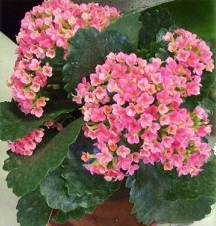
Many houseplants like to be pot bound and rarely need repotting. Some, on the other hand, will benefit from repotting to keep the plant looking its best. Sometimes you may wish to repot your houseplant into a more decorative container. You can repot houseplants almost anytime of the year. When potting into a decorative container, make sure there is adequate drainage. If there are no drainage holes in your pot, you should repot your houseplant into a regular plastic container that would fit inside your decorative container. When bringing a new plant into your home, it is often a good idea to let it acclimate before repotting. When repotting, be sure to use high quality potting soil, especially since the plant will reside in that soil for many years.
Did You Know?
Houseplants actually help clean the air inside your home. Based on studies by NASA, many houseplants help remove the three common pollutants -benzene, formaldehyde, and trichloroethylene - which are emitted from furnishings, office equipment, and some building materials. Some of the best absorbers of benzene are Dracaena and Spathiphyllum(Peace Lilies). The best plants to absorb formaldehyde are Philodendron, Bamboo Palm, Dracaena, Sansevieria, Golden Pothos, and Spider Plant. The best absorbers of trichloreoethylene are Dracaena and Spathiphyllum. Great Plants for the Beginning Houseplant Enthusiast: Some houseplants can be more difficult to grow than others. Here is a list of a few houseplants that are more forgiving and are generally considered easier to grow: Dracaena, Sansevieria, Chinese Evergreens, Pepperomias, Pothos, Spider Plants, Spathiphyllum, and the ZZ Plant.
Great Plants for the Beginning Houseplant Enthusiast
Some houseplants can be more difficult to grow than others. Here is a list of a few houseplants that are more forgiving and are generally considered easier to grow: Dracaena, Sansevieria, Chinese Evergreens, Pepperomias, Pothos, Spider Plants, Spathiphyllum, and the ZZ Plant.
Common Problems:
There are several common problems that can occur with your houseplants. Most problems can be resolved by adjusting the amount of light, the amount of water, or the amount of fertilizer a plant receives. Sometimes insects like mites, mealybugs, scales, or aphids can cause plants to suffer. When determining what might be the cause of the problem, take into consideration if the plant has been recently moved or repotted. Some plants will drop leaves when placed in a new location. Also, yellowing leaves may be caused by overwatering, underwatering, lack of nutrients, or by insect damage. Check the soil to determine if the plant is being underwatered or overwatered. If the watering seems to be okay, determine the last time it was fertilized. If it has been a long period of time between feedings, then feed the plant according to the instructions found on the houseplant fertilizer. If you feel that your watering and fertilizing are adequate, check for signs of insects. Another common problem is tip burn (the tips of the leaves turn brown). This is usually caused by salt build up from the water and fertilizer. The easiest solution is to water the plant several times very well so that the water goes completely through the pot. This can be done outside, in a sink, or in the bathtub. This will help remove the salts from the soil. Spotting on the leaves or burning or bleaching of the leaves can be caused from too much direct sun. Simply remove the plant to a shadier location. Plants that are spindly and have large gaps between the leaves may be suffering from not enough light. Move plants that are suffering from this problem into an area that receives more light. Remember, if you ever have any questions or concerns about your houseplants, simply bring in a leaf of the plant that is having the problem, so that we can help you.